Heat Treatment Furnace Specs
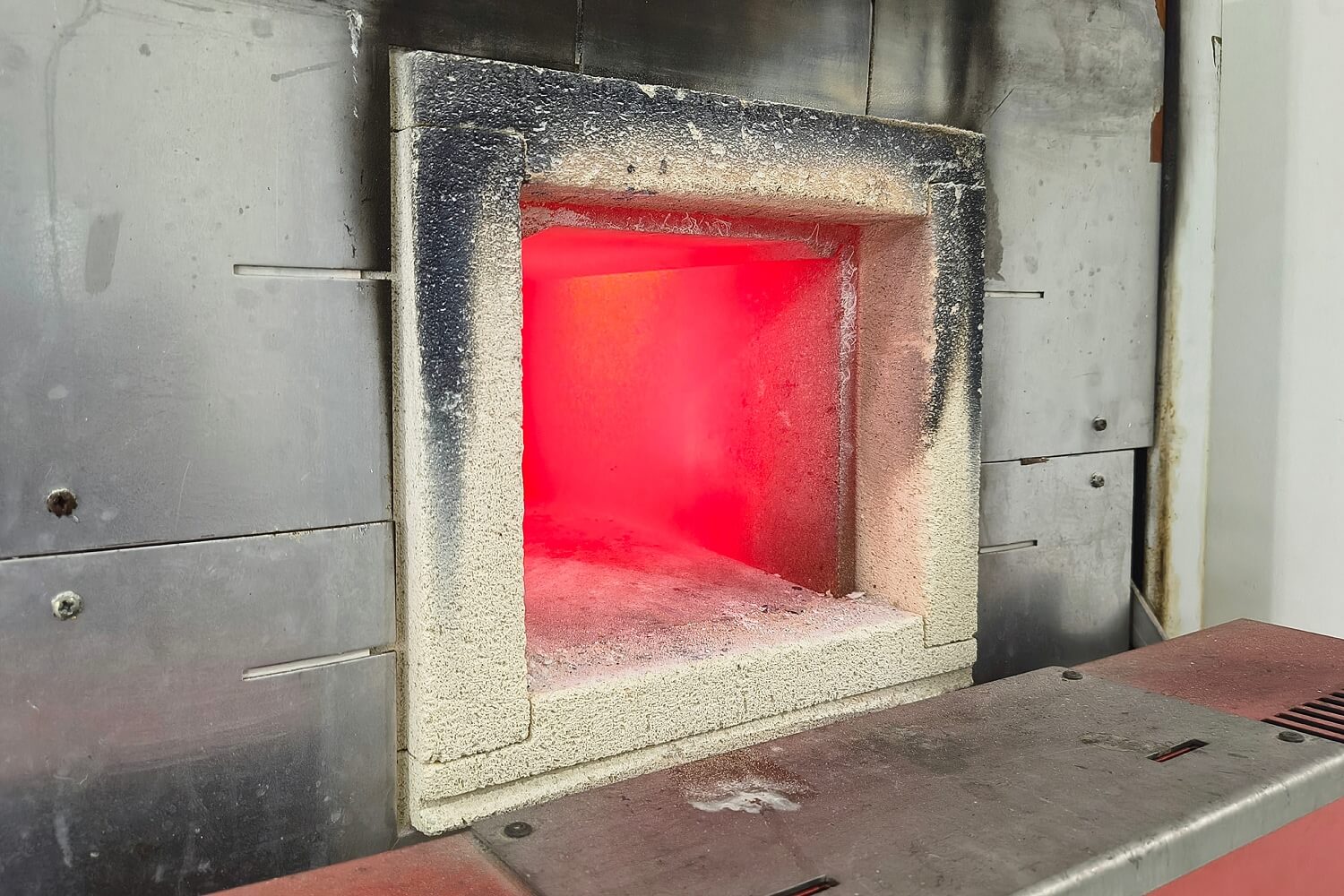
Our heat treating furnace platforms run from 1200°C up to 1800°C, depending on the line:
- Muffle and box furnaces top out at 1800°C.
- Tube furnaces reach 1700°C.
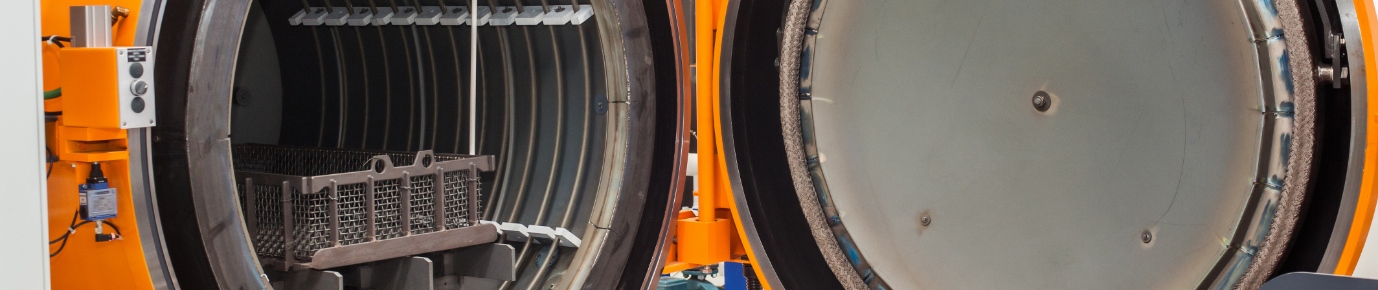
- Vacuum furnaces hit 1600°C.
Each is built around the heating element and tube material the temperature calls for, including MoSi2 elements, alumina ceramic tubes, silicon carbide tubing, and quartz tubing.
Industrial heat treatment furnaces also need to hold a specific atmosphere, not just a temperature. Depending on the line, we build in vacuum capability or inert gas control for processes where the atmosphere counts as much as the temperature. Where the cool-down rate matters, too, we add the STC series gas cooling system.

What a Bad Heat Treatment Cycle Costs You
A furnace running a few degrees off spec doesn’t just waste energy; it can put the whole batch out of tolerance on the property you were trying to change. Our temperature controllers and thermocouples are built for the accuracy industrial furnaces need for heat-treating metals.
Energy cost still matters on long cycles. Ceramic fiber insulation and a double-shell design keep heat where the process needs it instead of the room around it, and safety features cut power if a run goes wrong.
Every heat treatment furnace carries a one-year limited warranty on electronic parts, and a programmable controller that lets you save a cycle once and repeat it instead of resetting it by hand every run.
Heat Treatment Processes We Support
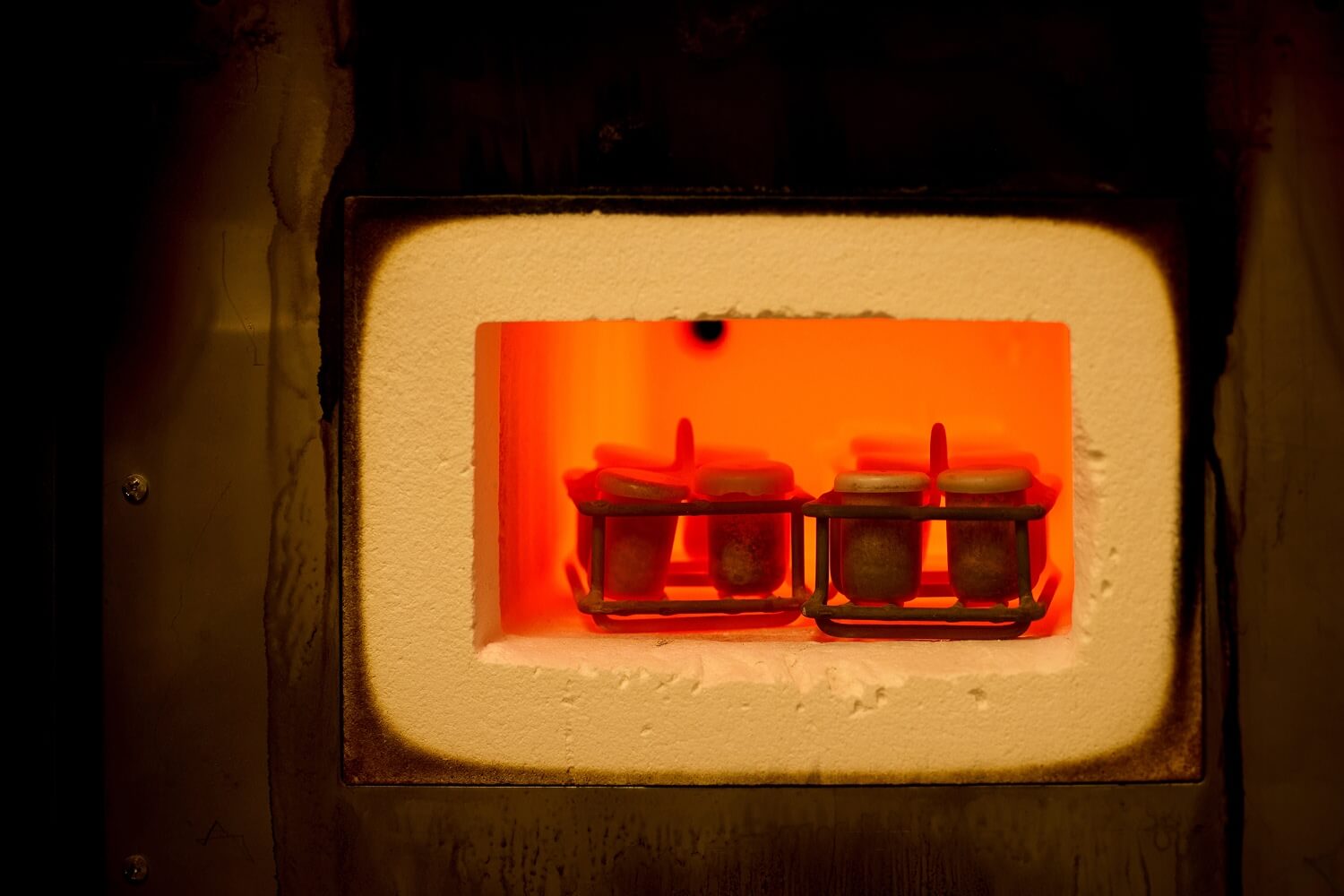
Sentro Tech heat treatment furnaces handle:
- Annealing and tempering
- Quenching and case hardening
- Precipitation strengthening
- Sintering
These processes run across industries such as aerospace, automotive, metalworking, and materials research.
You’ll find Sentro Tech equipment behind projects for 3M, NASA, GE, and Dow Corning, all built at our Strongsville, Ohio facility.
Types of Heat Treatment Furnaces
The right furnace for your operation depends on the process more than the material:
- Muffle and box furnaces handle general annealing and tempering in open air, up to 1800°C.
- Tube furnaces, horizontal, vertical, or rotary, work best when you need atmosphere control or continuous processing of smaller parts and powders.
- Vacuum furnaces are the choice when oxidation during the cycle would ruin the part, running in vacuum or a controlled inert atmosphere.
Where none of our standard configurations fit, we also build custom industrial furnaces for heat treatment around the temperature range, chamber size, and atmosphere your process needs.
Let’s Talk About Your Furnace Needs
Tell us your material, target temperature, and the properties you’re trying to change, and our team here at Sentro Tech will match you to a furnace or scope a custom build. Call 440-260-0364, or reach out with your requirements to get started.
Heat Treatment Furnace FAQs
How much temperature accuracy do I need for heat treating?
It depends on what property you’re changing. Hardening and precipitation strengthening are usually more sensitive to a few degrees of drift than a general anneal is. Let us know the process and the material, and we’ll confirm what accuracy your cycle requires.
Do I need atmosphere control, or is an open-air furnace enough?
If your metal oxidizes or scales at temperature, an inert gas or vacuum atmosphere protects the surface during the cycle. If oxidation doesn’t affect the part or gets removed in a later step, an open-air muffle or tube furnace is usually the simpler and less expensive option.
Can one furnace handle multiple heat treatment processes, or do I need a different furnace for each?
Many customers run more than one process, like annealing and tempering, on the same furnace since both happen in open air at manageable temperatures. Processes that need very different atmospheres or temperature ranges, such as vacuum hardening versus open-air annealing, usually call for separate equipment.
What’s the difference between a standard heat treatment furnace and a custom one?
Our standard lines cover common chamber sizes and temperature ranges across muffle, tube, and vacuum platforms. A custom build comes in when your part size or temperature range falls outside those standard configurations, and it moves through a design and approval step before fabrication instead of shipping from stock.
How do I know if I need a batch furnace or continuous processing?
Batch furnaces, which cover most of our standard lines, fit lower volumes or parts that need individual handling. Continuous processing, like a rotary tube furnace feeding powder through steadily, fits higher volumes where parts or material move through on their own.